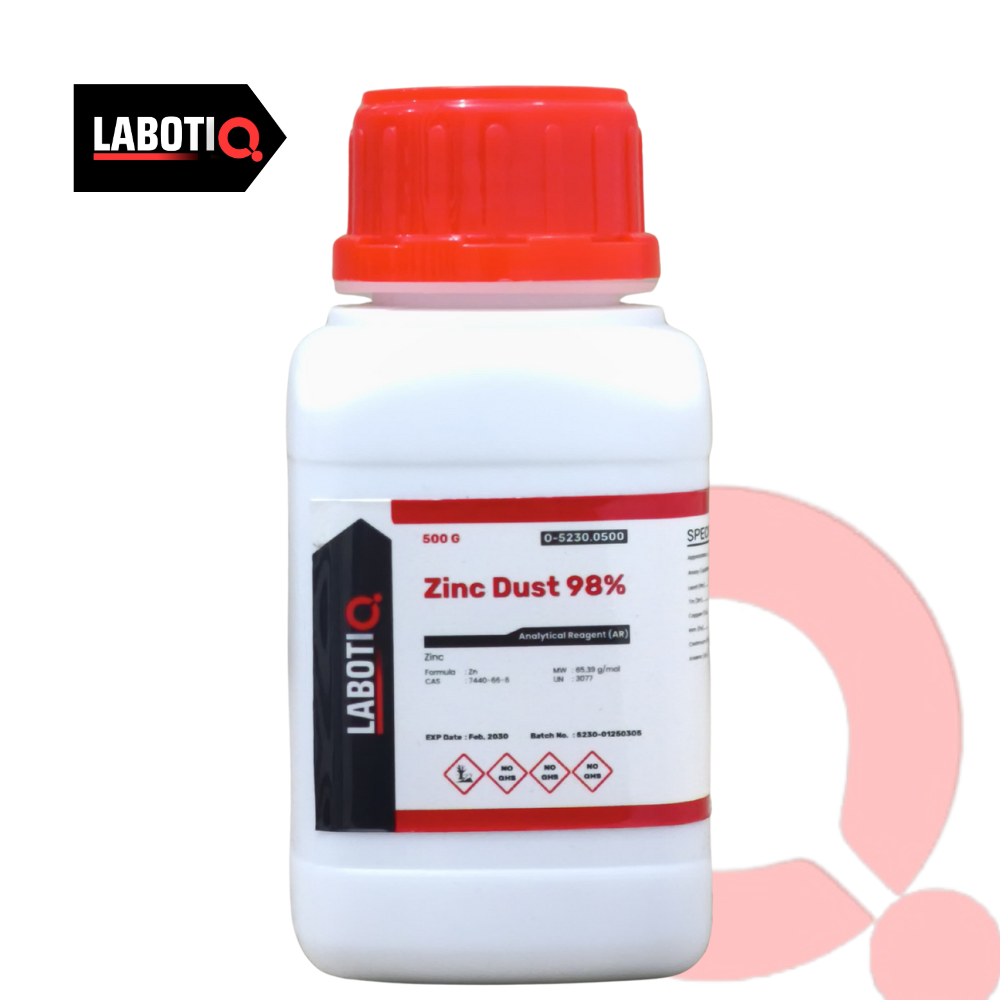
Zinc is a chemical element; it has symbol Zn and atomic number 30. It is a slightly brittle metal at room temperature and has a shiny-greyish appearance when oxidation is removed. It is the first element in group 12 (IIB) of the periodic table. In some respects, zinc is chemically similar to magnesium: both elements exhibit only one normal oxidation state (+2), and the Zn2+ and Mg2+ ions are of similar size. Zinc is the 24th most abundant element in Earth’s crust and has five stable isotopes. The most common zinc ore is sphalerite (zinc blende), a zinc sulfide mineral. The largest workable lodes are in Australia, Asia, and the United States. Zinc is refined by froth flotation of the ore, roasting, and final extraction using electricity (electrowinning).Zinc dust with 98% purity has diverse applications, primarily in chemical reactions and as a component in various products. It’s used as a reducing agent in organic synthesis, for corrosion protection in paints and coatings, and in the production of other chemicals. Additionally, it finds use in agriculture as a micronutrient, in the manufacture of fireworks and explosives, and even in some medicinal and cosmetic applications.