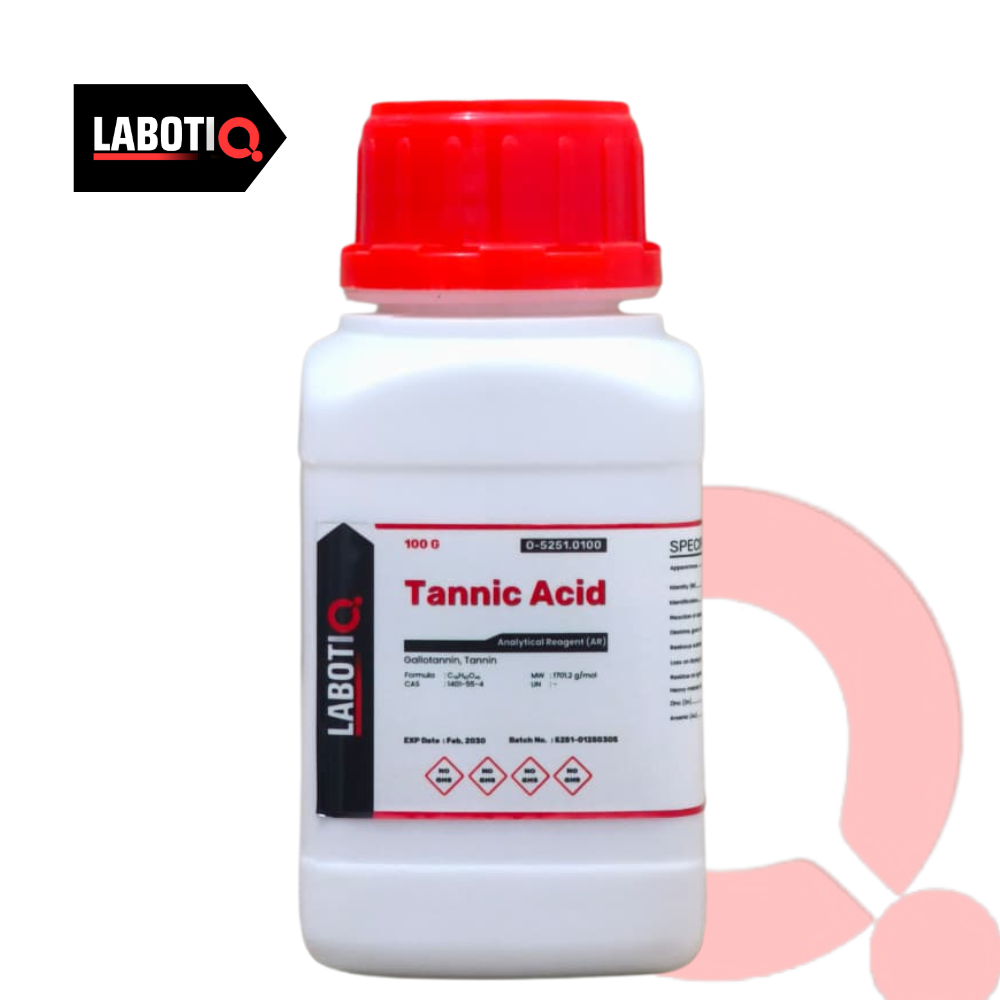
Tannic Acid AR 100gr

SKU : O-5251.0100
CAS : 1401-55-4
Formula : C76H52O46
Grade : AR

Tannic acid, also known as gallotannic acid, is a naturally occurring polyphenol with diverse applications, including its use in medicine, food, and various industrial processes. In medicine, it’s known for its astringent and antimicrobial properties, used to treat conditions like cold sores, diaper rash, and minor burns, though some uses lack strong scientific evidence. It’s also used in food as a flavoring agent and preservative, and in manufacturing for tanning leather, dyeing textiles, and creating inks.

Share :

Tannic acid is a specific form of tannin, a type of polyphenol. Its weak acidity (pKa around 6) is due to the numerous phenol groups in the structure. The chemical formula for commercial tannic acid is often given as C76H52O46, which corresponds with decagalloyl glucose, but in fact it is a mixture of polygalloyl glucoses or polygalloyl quinic acid esters with the number of galloyl moieties per molecule ranging from 2 up to 12 depending on the plant source used to extract the tannic acid. Commercial tannic acid is usually extracted from any of the following plant parts: Tara pods (Caesalpinia spinosa), gallnuts from Rhus semialata or Quercus infectoria or Sicilian sumac leaves (Rhus coriaria).According to the definitions provided in external references such as international pharmacopoeia, Food Chemicals Codex and FAO-WHO tannic acid monograph only tannins obtained from the above-mentioned plants can be considered as tannic acid. Sometimes extracts from chestnut or oak wood are also described as tannic acid but this is an incorrect use of the term. It is a yellow to light brown amorphous powder.While tannic acid is a specific type of tannin (plant polyphenol), the two terms are sometimes (incorrectly) used interchangeably. The long-standing misuse of the terms, and its inclusion in scholarly articles has compounded the confusion. This is particularly widespread in relation to green tea and black tea, both of which contain many different types of tannins not just exclusively tannic acid.Tannic acid is not an appropriate standard for any type of tannin analysis because of its poorly defined composition.


TINDAKAN PENCEGAHAN UNTUK PENANGANAN YANG AMAN

Untuk tindakan pencegahan lihat bagian 2.2 dalam SDS.

KONDISI PENYIMPANAN YANG AMAN, TERMASUK KETIDAKCOCOKAN

a. Kondisi penyimpanan

Tertutup sangat rapat. Kering.

Suhu penyimpanan : Rekomendasi suhu penyimpanan lihat pada label

b. Kelas penyimpanan

Kelas penyimpanan Jerman (TRGS 510): 11: Zat-zat padat yang mudah terbakar

Related products

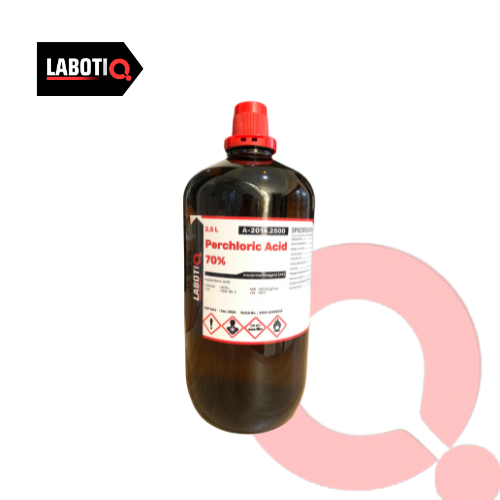
Perchloric Acid 70 % AR 2,5 L

CAS : 7601-90-3
SKU : A-2014.2500

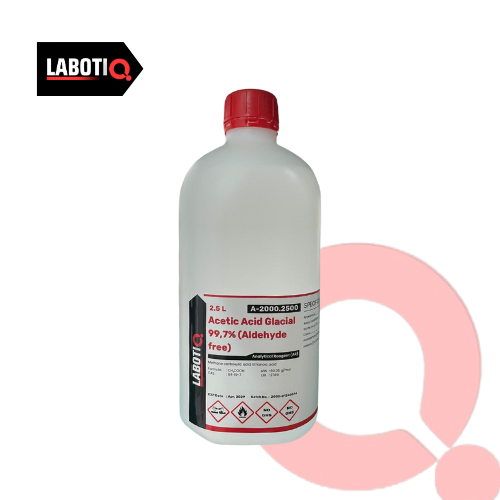
Acetic Acid glacial 99,7% (aldehyde free) AR 2,5L

CAS : 64-19-7
SKU : A-2000.2500

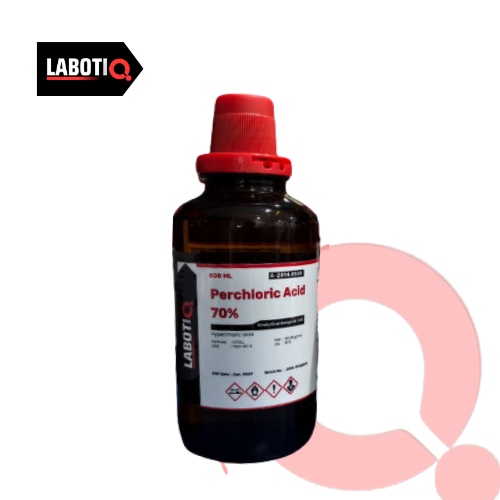
Perchloric Acid 70 % AR 500 mL

CAS : 7601-90-3
SKU : A-2014.0500

COA Search

Open Consultation
LABOTIQ
Hello
Can we help you?
Labotiq focuses on a practical and precise field: laboratory supplies, chemical reagents, equipment, and plastic labware. This kind of work is all about accuracy, safety, and trust, because even small details can affect the final result. The same idea is becoming more relevant in digital entertainment, where choosing a platform also means paying attention to reliability, transparency, and user protection.Online entertainment has turned into an everyday habit, from streaming and mobile games to casino-style platforms and interactive services. Still, a good digital experience starts with clear rules, secure payments, licensed operators, and easy-to-understand information. Anyone interested in safe online leisure and the Spanish gambling market can find a useful reference in mejores casinos en España. The topic is not only about fun, but also about choosing platforms carefully, understanding how regulation works, and avoiding random decisions when money and personal data are involved.That creates a simple connection between the two areas. Labotiq supports laboratories with dependable products for controlled work, while trusted information about digital entertainment helps users feel more confident online. When reliability comes first, both laboratory processes and online services become easier to understand, safer to use, and more valuable in everyday life.