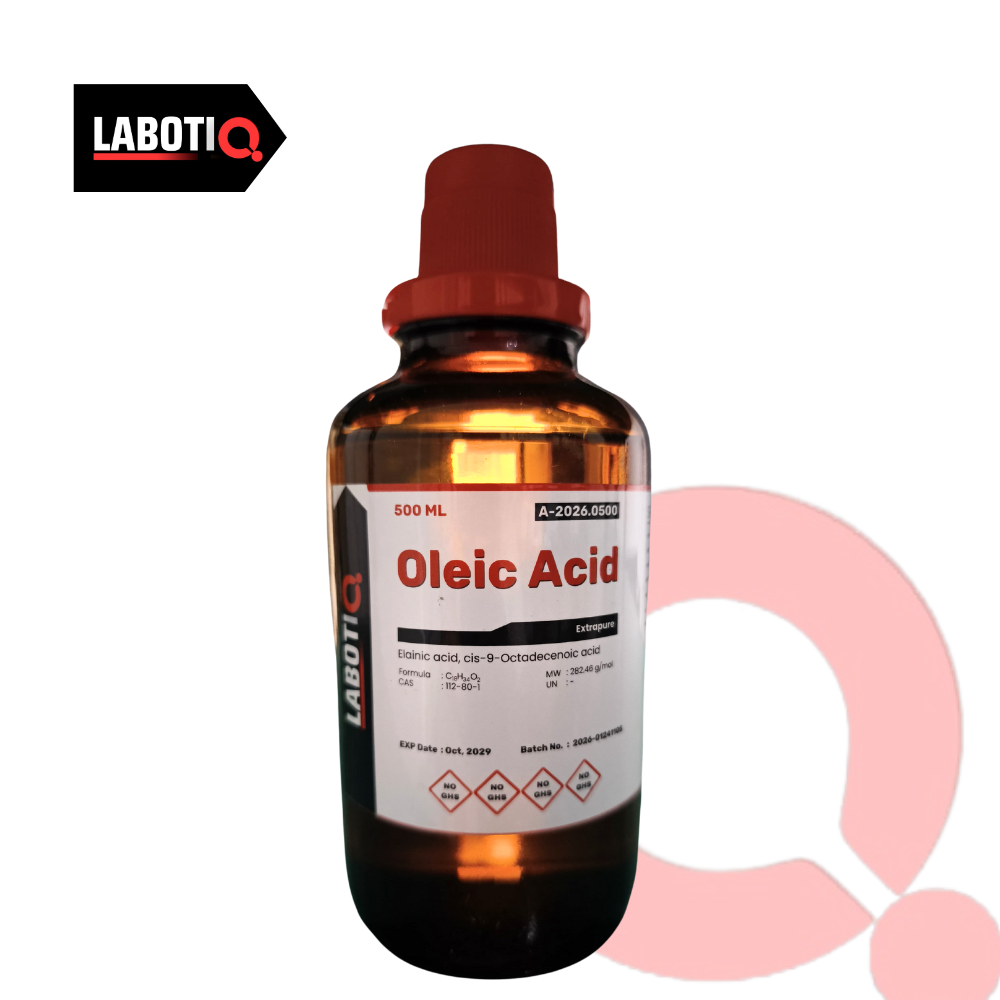
Oleic acid is a fatty acid that occurs naturally in various animal and vegetable fats and oils. It is an odorless, colorless oil, although commercial samples may be yellowish due to the presence of impurities. In chemical terms, oleic acid is classified as a monounsaturated omega-9 fatty acid, abbreviated with a lipid number of 18:1 cis-9, and a main product of Δ9-desaturase. It has the formula CH3−(CH2)7−CH=CH−(CH2)7−COOH. The name derives from the Latin word oleum, which means oil. It is the most common fatty acid in nature. The salts and esters of oleic acid are called oleates. It is a common component of oils, and thus occurs in many types of food, as well as in soap.Oleic acid is the most abundant fatty acid in human adipose tissue, and second in abundance in human tissues overall, following palmitic acid.2017 review found that diets enriched in oleic acid are beneficial for regulating body weight.The United States FDA has approved a health claim on reduced risk of coronary heart disease for high oleic (> 70% oleic acid) oils. Some oil plants have cultivars bred to increase the amount of oleic acid in the oils. In addition to providing a health claim, the heat stability and shelf life may also be improved, but only if the increase in monounsaturated oleic acid levels correspond to a substantial reduction in polyunsaturated fatty acid (especially α-linolenic acid) content. When the saturated fat or trans fat in a fried food is replaced with a stable high oleic oil, consumers may be able to avoid certain health risks associated with consuming saturated fat and trans fat.