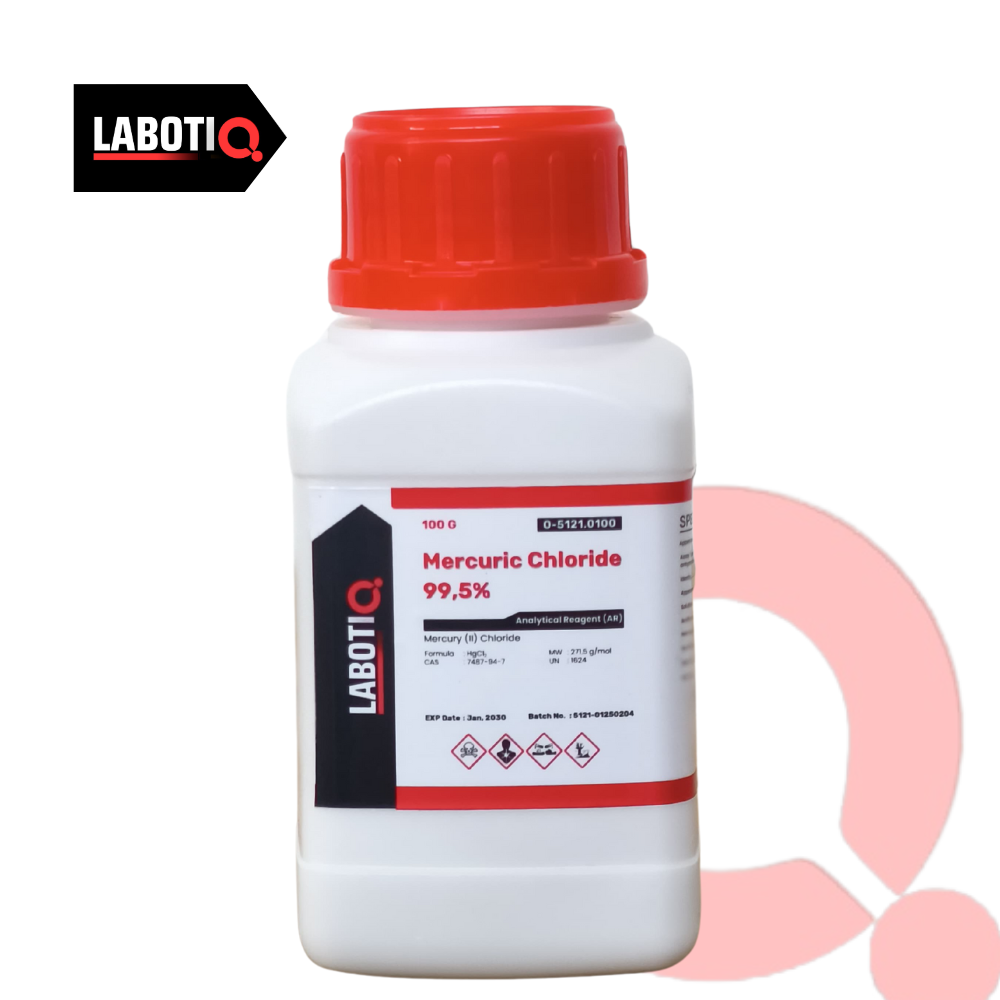
Mercury(II) chloride (or mercury bichloride, mercury dichloride), historically also known as sulema or corrosive sublimate, is the inorganic chemical compound of mercury and chlorine with the formula HgCl2, used as a laboratory reagent. It is a white crystalline solid and a molecular compound that is very toxic to humans. Once used as a treatment for syphilis, it is no longer used for medicinal purposes because of mercury toxicity and the availability of superior treatments.Mercury dichloride is a highly toxic compound, both acutely and as a cumulative poison. Its toxicity is due not just to its mercury content but also to its corrosive properties, which can cause serious internal damage, including ulcers to the stomach, mouth, and throat, and corrosive damage to the intestines. Mercuric chloride also tends to accumulate in the kidneys, causing severe corrosive damage which can lead to acute kidney failure. However, mercuric chloride, like all inorganic mercury salts, does not cross the blood–brain barrier as readily as organic mercury, although it is known to be a cumulative poison.Common side effects of acute mercuric chloride poisoning include burning sensations in the mouth and throat, stomach pain, abdominal discomfort, lethargy, vomiting of blood, corrosive bronchitis, severe irritation to the gastrointestinal tract, and kidney failure. Chronic exposure can lead to symptoms more common with mercury poisoning, such as insomnia, delayed reflexes, excessive salivation, bleeding gums, fatigue, tremors, and dental problems.Acute exposure to large amounts of mercuric chloride can cause death in as little as 24 hours, usually due to acute kidney failure or damage to the gastrointestinal tract. In other cases, victims of acute exposure have taken up to two weeks to die.